

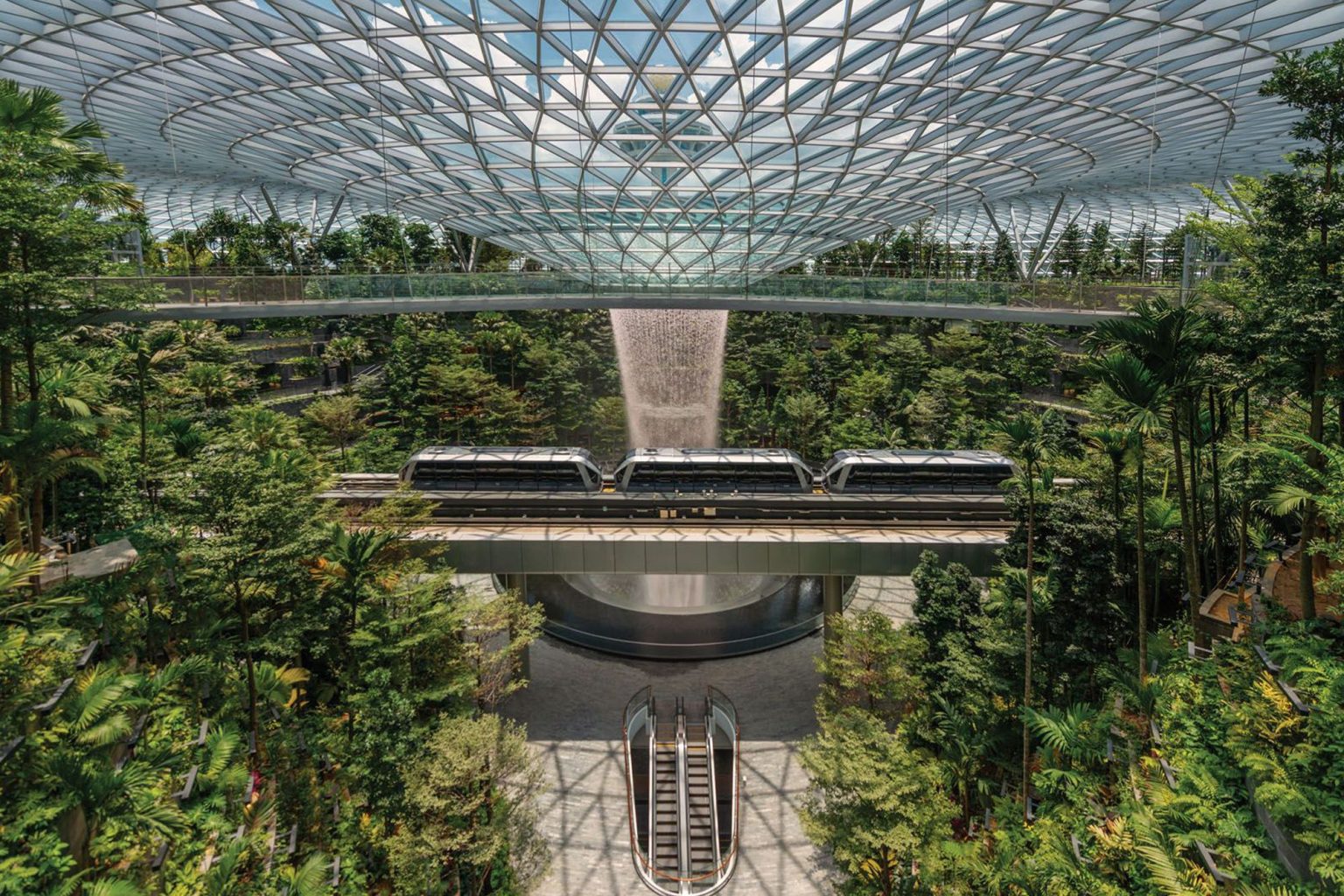
As the global spotlight on environmental sustainability intensifies, the real estate industry plays a pivotal role in shaping a greener future. In Singapore, a city-state known for its rapid urban development, the real estate sector has been quick to embrace sustainability. Let us explore the importance of sustainability in the Singapore real estate industry, focusing on the current trends in green buildings and development projects that signify the future of sustainable living.
Singapore, with its limited land resources, recognizes the critical importance of sustainable development. The real estate industry, being a significant contributor to carbon emissions and resource depletion, has a responsibility to adopt environmentally friendly practices. The government’s commitment to sustainability is evident in its ambitious goals outlined in the Green Plan 2030, which aims to advance sustainable development across various sectors, including real estate.
Reducing Carbon Footprint with Green Buildings
Green buildings are at the forefront of sustainable development in Singapore. These structures are designed to minimize their impact on the environment throughout their lifecycle. Energy efficiency, water conservation, and the use of eco-friendly materials are key principles guiding the construction of green buildings.
Energy-efficient features such as solar panels, energy-efficient lighting, and smart building management systems are becoming commonplace in Singapore’s real estate landscape. These technologies not only reduce the environmental footprint but also lead to long-term cost savings for property owners and occupants.
Embracing Nature in Urban Spaces
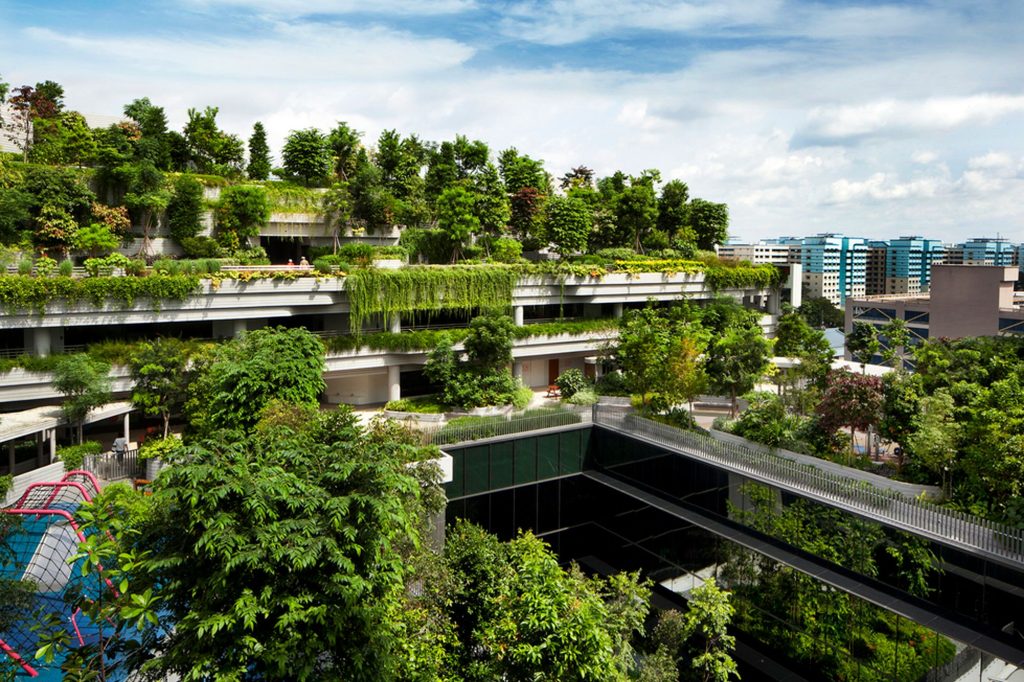
One of the notable trends in sustainable real estate development is the integration of nature into urban spaces. Singapore is renowned for its commitment to greenery, with the cityscape adorned by lush parks and green corridors. Real estate developers are now taking inspiration from this commitment by incorporating green roofs, vertical gardens, and communal green spaces within residential and commercial developments.
These green features not only enhance the aesthetics of the buildings but also contribute to improved air quality, reduced urban heat island effect, and overall well-being of the occupants. Developers are increasingly recognizing the value of creating environments that foster a harmonious coexistence between urban living and nature.
Innovations in Sustainable Materials
The choice of building materials has a significant impact on a project’s sustainability. Singapore is witnessing a surge in the use of recycled and sustainable materials in construction. From bamboo flooring to recycled steel, developers are exploring innovative alternatives that are not only environmentally friendly but also contribute to the longevity and durability of the structures.
Additionally, sustainable certifications such as the Building and Construction Authority’s (BCA) Green Mark Scheme have gained prominence. Buildings awarded the Green Mark certification meet stringent environmental performance standards, further promoting the adoption of sustainable practices in the industry.
Smart Homes and Sustainable Technologies
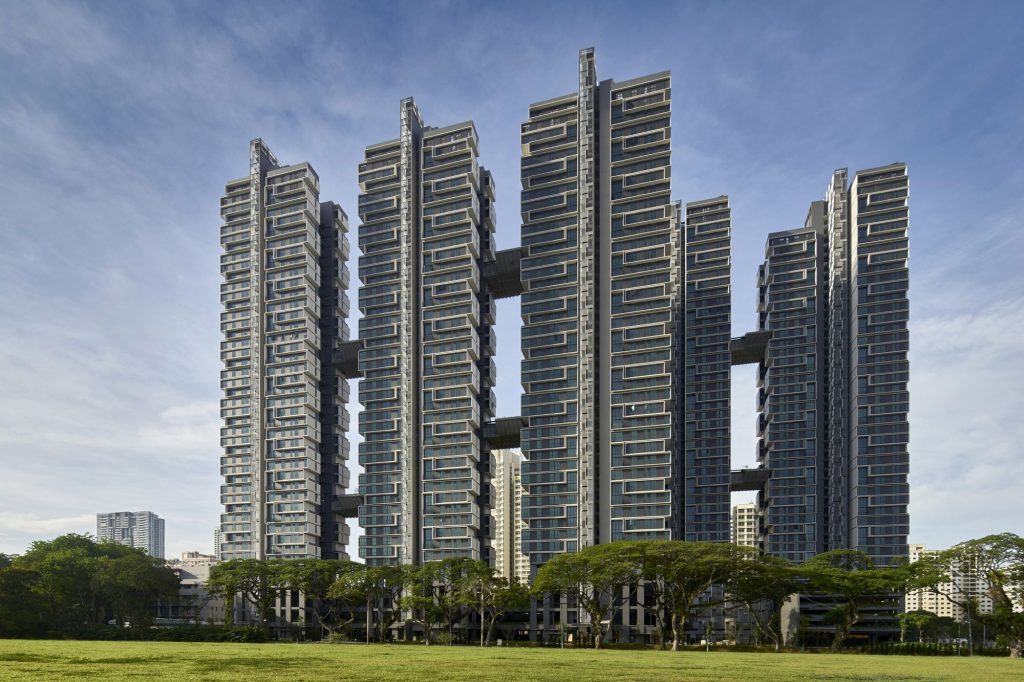
The concept of smart homes is evolving to incorporate sustainability as a key feature. Home automation systems that optimize energy consumption, water usage, and overall resource efficiency are becoming integral parts of modern residential developments. Singaporean homeowners are increasingly embracing smart technologies to monitor and control their home’s environmental impact, leading to more eco-conscious living.
Furthermore, the integration of Internet of Things (IoT) devices and sensors allows for real-time monitoring and data analysis, enabling homeowners to make informed decisions about resource usage. These technologies not only enhance the sustainability of individual homes but also contribute to broader efforts to create smarter and more efficient urban ecosystems.
Sustainability in the Singapore real estate industry is not merely a trend but a fundamental shift towards responsible and eco-conscious development. Green buildings are shaping the future of sustainable living by incorporating energy-efficient features, embracing nature in urban spaces, utilizing innovative materials, and integrating smart technologies. As Singapore continues to prioritize sustainability in its urban planning, the real estate sector stands as a crucial player in the collective effort to create a greener and more resilient future for generations to come.

