

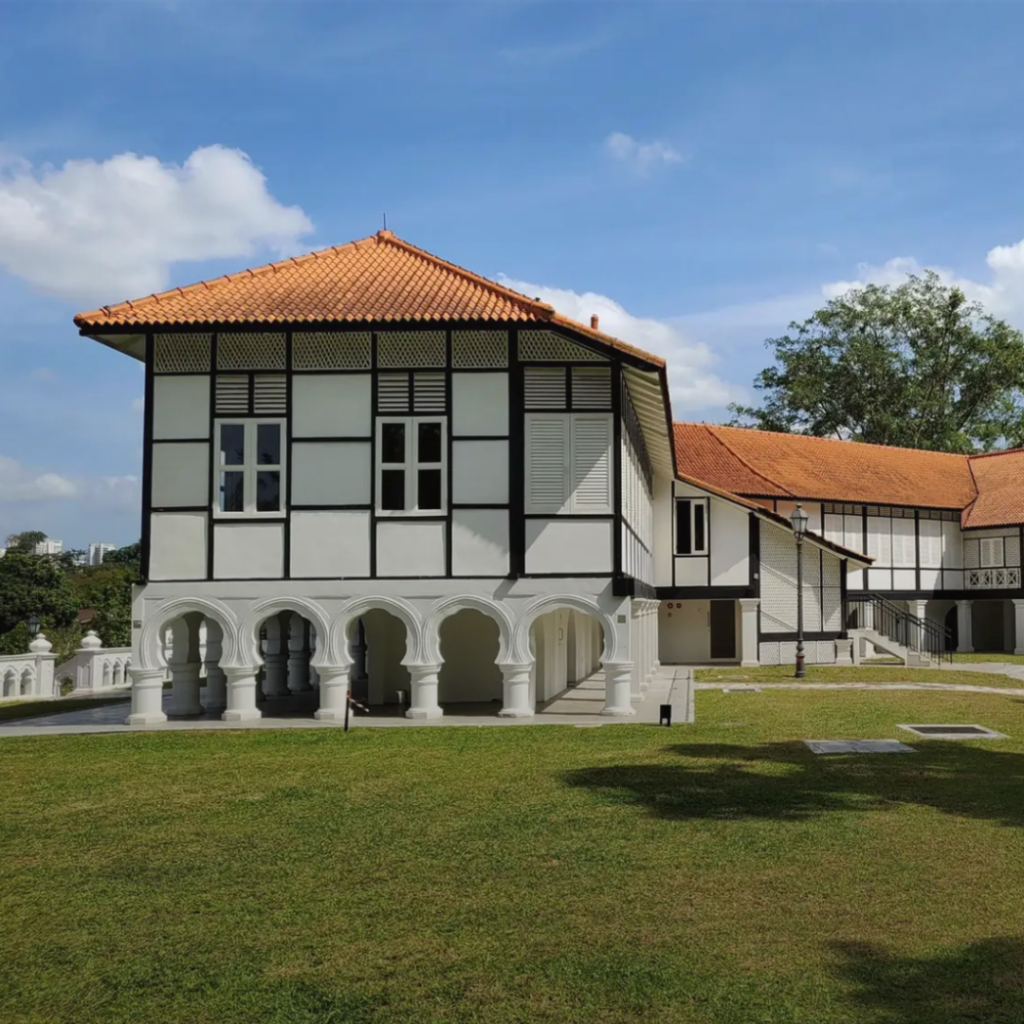
In the heart of Singapore’s vibrant urban landscape lie treasures of the past, heritage homes that are not merely structures of bricks and mortar but are rich tapestries woven with the threads of history, culture, and legacy. These properties stand as testaments to the architectural, historical, and cultural richness of Singapore, bridging the gap between bygone eras and the present day. This guide delves into the world of heritage homes in Singapore, offering insights into their value, the unique challenges they present, and also, the strategies for their upkeep and integration into modern living.
Singapore’s heritage homes stand out for their diverse architectural designs, ranging from British colonial bungalows to authentic shophouses that have Malay, Chinese, and European elements. Far beyond mere residences, these structures serve as guardians of Singapore’s rich and varied historical tapestry, providing insights into the nation’s past and nurturing a deep sense of cultural identity and continuity. To own one of these heritage properties is to possess a tangible link to history, maintaining a bond with the myriad generations that have traversed their interiors and the significant occurrences they’ve witnessed.
The cultural significance and beauty of these properties play a crucial role in enriching the community’s fabric, elevating the charm and distinctiveness of the neighborhood. Furthermore, these homes frequently emerge as central attractions in heritage tourism, boosting the local economy and deepening the appreciation for Singapore’s extensive cultural legacy. Their presence not only beautifies the area but also serves as a catalyst for economic growth and cultural understanding, highlighting the importance of preserving such historical sites.
While the allure of owning a heritage home is undeniable, it comes with its own set of challenges. These properties are subject to strict conservation guidelines set forth by the Urban Redevelopment Authority (URA), aimed at preserving their historical integrity. Owners must navigate these regulations when planning renovations or upgrades, ensuring that modern interventions do not detract from the property’s heritage value.
Maintaining a heritage home also demands a higher level of care and investment. The aging infrastructure, from plumbing to electrical systems, often requires specialized restoration work to meet contemporary living standards while respecting the property’s historical aspects.
Travel DMC
Strategies for Heritage Home Upkeep and Modernization
Understanding Conservation Guidelines is the first step in owning and maintaining a heritage home and it is to familiarize with the URA’s conservation guidelines. These rules are designed to preserve the architectural character of the property while allowing for certain modernizations. Owners should consult with conservation experts and architects who specialize in heritage properties to navigate these regulations effectively.
Preserving Architectural Integrity, when undertaking renovations, it’s crucial to preserve the home’s original architectural features, such as facades, window frames, and traditional motifs. This often involves restoring rather than replacing old elements, using materials and techniques that match the original construction as closely as possible.
Modern Conveniences and Sustainability is the integration of modern amenities and sustainability measures into a heritage home that can enhance comfort and efficiency without compromising its historical value. This can include updating electrical and plumbing systems, installing energy-efficient lighting, and incorporating green technologies like solar panels, all while adhering to conservation guidelines.
Professional Expertise, where collaborating with architects, contractors, and conservation experts who have experience with heritage properties is essential. These professionals can provide valuable guidance on how to blend modern upgrades with historical preservation, ensuring that renovations enhance the home’s value and livability.
Community Engagement with Heritage homes are integral to the cultural fabric of their communities. Owners can engage with local heritage groups, participate in heritage tours, and contribute to the promotion of cultural awareness and preservation. This not only enriches the community’s cultural landscape but also fosters a sense of pride and stewardship among residents.
Owning a heritage home in Singapore is about more than preserving a piece of history; it’s about creating a legacy for future generations. This involves not only maintaining the physical structure but also passing on the stories, traditions, and values that these homes embody. As custodians of these historical gems, owners play a crucial role in ensuring that the legacy of Singapore’s heritage homes continues to inspire and enrich the lives of those who come after them. Embracing the legacy of heritage homes in Singapore offers a unique opportunity to connect with the past while contributing to the cultural and historical tapestry of the future. Navigating the intricacies of owning a heritage home comes with its challenges, yet the guidance provided herein offers valuable strategies for overcoming these hurdles. Through a dedication to both preserving and thoughtfully updating these historic properties, owners play a pivotal role in maintaining their vibrancy as integral components of Singapore’s living heritage. Such commitment not only safeguards the enduring legacy of these homes but also ensures they continue to be treasured and appreciated by future generations, enriching Singapore’s cultural tapestry with their timeless charm and historical significance.

