

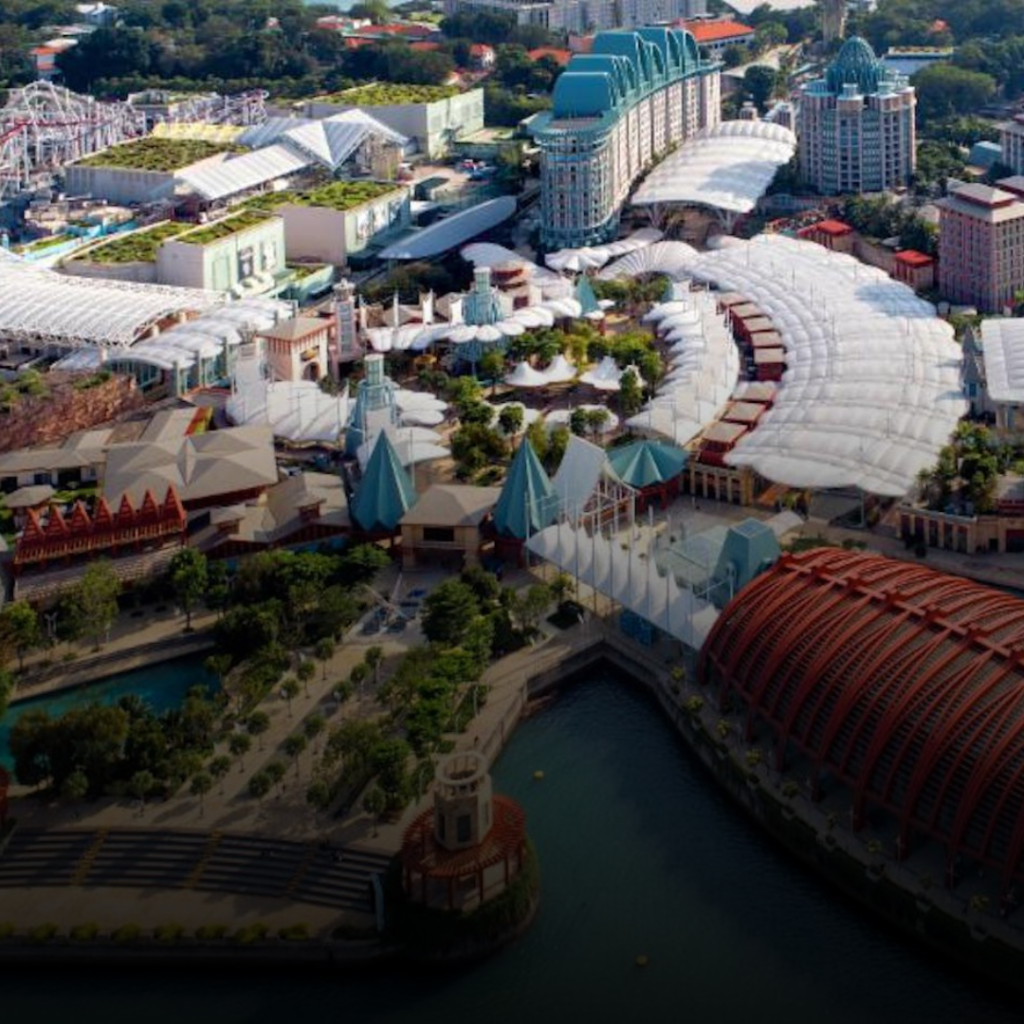
District 4 in Singapore, encompassing the Southern Islands and the Harbour Front area, presents a fascinating case study of urban transformation and its implications for real estate development. This district’s evolution from a predominantly industrial and shipping hub to a vibrant residential, commercial, and leisure destination exemplifies the dynamic nature of urban redevelopment and its impact on the real estate market. This essay explores the transformation of District 4, its current real estate landscape, and the prospects for its future development.
Historical Context and Transformation
Historically, District 4 played a crucial role in Singapore’s maritime industry, with its docks and warehouses facilitating international trade. The turning point in its urban landscape began with the development of Sentosa Island into a leisure and recreational hub in the 1970s, followed by the redevelopment of waterfront areas into commercial and residential spaces.
The introduction of VivoCity in 2006, one of Singapore’s largest shopping malls, and the Resorts World Sentosa in 2010, marked significant milestones in District 4’s transformation. These developments were not merely infrastructural; they symbolized a shift towards creating a multi-faceted urban space that blends living, leisure, and commerce seamlessly.
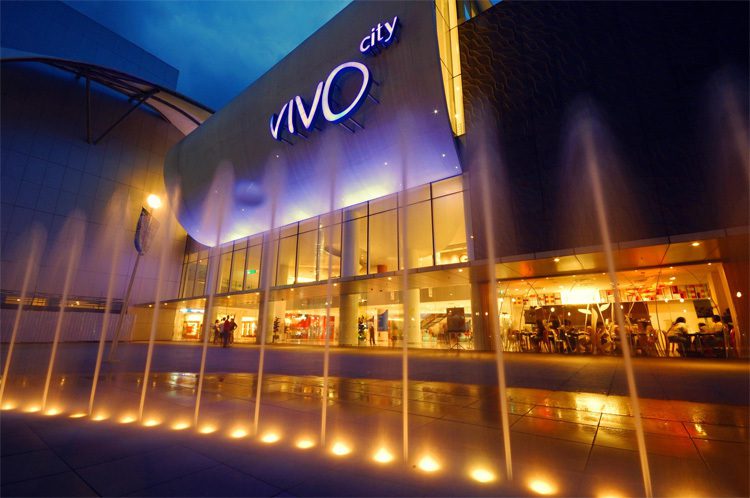
Photo: TimeOut
The Real Estate Landscape Today
Today, District 4 is distinguished by its unique mix of high-end residential properties, including luxury condominiums and exclusive waterfront homes in Sentosa Cove, offering unparalleled lifestyle options. These residential areas cater to affluent individuals seeking a serene living environment with quick access to leisure activities and the central business district. The commercial real estate in District 4, characterized by retail giants like VivoCity and the HarbourFront Centre, serves as a vital economic hub, attracting both local and international businesses.
The leisure and recreational amenities in District 4, particularly on Sentosa Island, have also contributed to its appeal as a prime real estate location. The presence of Universal Studios Singapore, golf courses, and luxury resorts enhances the district’s attractiveness for residential and commercial investment, driving up property values and demand.
Impact on the Real Estate Market
The transformation of District 4 has had a profound impact on its real estate market. Property values in the district have risen significantly, reflecting the high demand for luxury living and commercial spaces. The development of high-quality residential projects has attracted a global clientele, further driving the market’s dynamism. The commercial real estate sector has also seen growth, buoyed by the district’s appeal as a tourist destination and a hub for leisure and entertainment.
Moreover, the strategic location of District 4, with its excellent connectivity to the rest of Singapore, adds to its real estate appeal. The ease of access to the central business district and other parts of the city, via the Mass Rapid Transit (MRT) system and major expressways, makes it an attractive location for both residential and commercial investments.
Future Prospects and Challenges
Looking ahead, District 4’s real estate market appears poised for continued growth, driven by several factors. The Singapore government’s plans for the Greater Southern Waterfront project, which aims to transform the southern coast into a new major gateway for urban living, are expected to further enhance the district’s appeal. This ambitious project will likely introduce new residential, commercial, and leisure developments, creating more opportunities for real estate investment.
However, the future of District 4’s real estate market also faces challenges. Issues such as environmental sustainability, traffic congestion, and the balance between development and preserving green spaces are critical considerations. The district’s ability to attract and retain investment will depend on how well these challenges are managed, ensuring that its transformation contributes to the broader goals of sustainable urban living.
The transformation of District 4 in Singapore from an industrial hub to a vibrant mixed-use district is a testament to the city-state’s forward-thinking urban planning and development strategies.
The real estate market in District 4 has thrived, reflecting the district’s growing appeal as a place to live, work, and play. As Singapore continues to evolve, the future of District 4 looks promising, offering exciting opportunities for real estate development and investment.

